

Kant's Imperative: A Modern Ethical Compass
Kant's Categorical Imperative says to act only according to rules you could will everyone to follow. It sounds simple until you try to apply it to modern problems like AI ethics or data privacy.
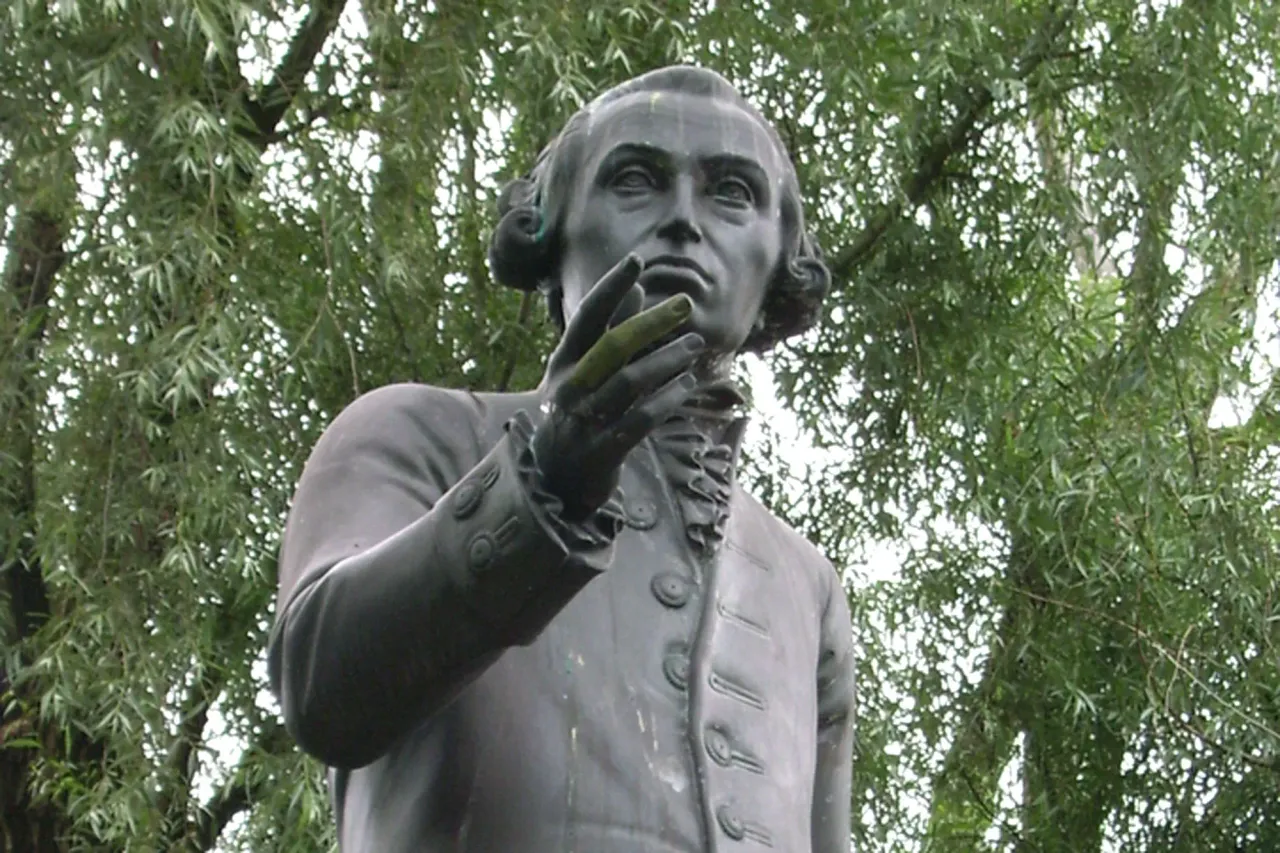
Kant's Categorical Imperative sounds deceptively simple: act only according to rules you could will everyone to follow. It's a single sentence that has driven philosophy students to drink for over two hundred years.
The idea itself isn't complicated. Unlike "if you want X, do Y" advice, the Categorical Imperative is unconditional. It asks: could your action become a universal law without self-destructing? Lying fails this test because universal lying would make lying pointless (nobody would believe anything). Theft fails because universal theft eliminates property. The test is about logical consistency, not consequences.
The trouble starts when you try to apply it.
Take data privacy. A company tracks your behavior to sell you things. Could that be universal? Maybe, but it gets weird fast. If everyone tracked everyone, would that just become... normal? Or would it collapse into mutual surveillance where the concept of privacy disappears? The imperative gives you a framework but not an answer.
Critics point out real problems. What happens when duties conflict? Kant famously argued you shouldn't lie even to a murderer asking where your friend is hiding. That feels wrong to most people, and it's hard to defend. The imperative also ignores consequences entirely, which seems naive. Sometimes good rules produce bad outcomes.
But I keep coming back to it anyway. Not because it solves everything, but because it forces a specific kind of honesty. When I'm about to do something questionable, asking "could everyone do this?" cuts through my rationalizations pretty quickly. It's not a complete ethical system. It's more like a diagnostic tool that catches a certain class of self-serving bullshit.
For AI ethics, genetic engineering, climate policy, and whatever else is coming, we'll need more than one tool. But this one has lasted 250 years for a reason.