

The Star Wars radio drama is better than the movie
The 1981 NPR radio drama of Star Wars runs over six hours and adds material the film never had time for. Mark Hamill returns as Luke, and the pacing lets you actually live on Tatooine before leaving it.
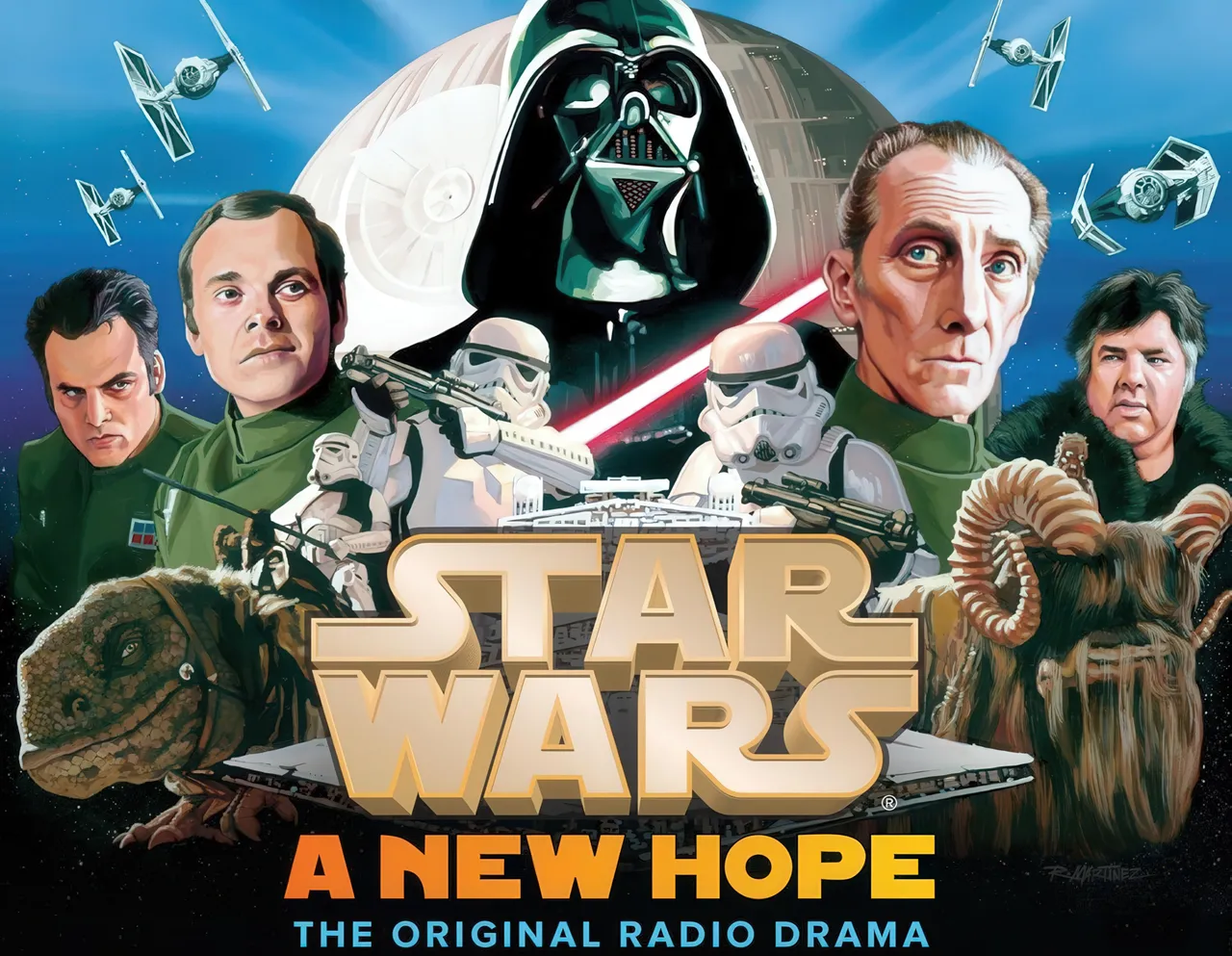
"A long time ago in a galaxy far, far away..." There's something about this opening that still gets me. It's "once upon a time" but weirder, placing you in both the ancient past and a technologically advanced future simultaneously. Nearly fifty years later, it remains one of the best opening lines in film.
I recently listened to the Star Wars: A New Hope Radio Drama, a thirteen-part adaptation produced by NPR in 1981. It runs about 6½ hours, adding over 4½ hours of new material to the original film. And honestly? In some ways it's better than the movie.
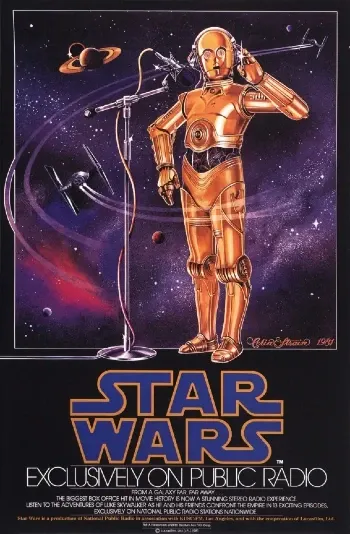
Mark Hamill and Anthony Daniels reprise their roles as Luke Skywalker and C-3PO, which grounds the whole thing. The rest of the cast is solid too. But what makes this adaptation worth your time is the pacing.
The movie, for all its strengths, races through the setup. Luke arrives at the Mos Eisley Cantina around the 50-minute mark. The radio drama takes 72 minutes to get there. That extra time lets you actually live on Tatooine for a while. You hear Luke's frustration with his dead-end life, his friends leaving for the Academy, his uncle's constant deflection about his father. By the time he finally leaves, it feels earned.
The added dialogue also answers questions the film glosses over. Why does Luke keep wearing his stormtrooper utility belt after ditching the disguise on the Death Star? The radio drama explains it. We also get an extended version of Vader's interrogation of Leia, which is genuinely unsettling. These aren't just gap-fillers; they make you understand the characters better.
What struck me about the world-building
Listening to this made me realize how much Lucas had figured out by 1977. Details in the radio drama connect to Empire and Jedi in ways that feel intentional, not retrofitted. The groundwork was there from the start.
Leia gets more screen time here too (or audio time, I suppose). Her resilience during capture comes through more clearly. She's not just a princess waiting to be rescued; she's a leader holding it together under impossible pressure.
The sound design deserves credit. Without visuals, everything rides on dialogue, John Williams' score, and Ben Burtt's effects. Lightsaber hums, blaster fire, the roar of the Millennium Falcon's engines. It all works. In some ways, not having the visuals forced me to pay closer attention. I found myself picturing Tatooine's twin sunsets, the cantina's chaos, the Death Star's corridors. It felt more personal than watching the film again would have.
If you've seen the movie a dozen times and want something fresh, this is it. Six and a half hours with these characters, more backstory, and John Williams throughout. It's free on YouTube. I'd start there.

