

Survival, identity, love, and the consequences of violence
The 100 is a post-apocalyptic science fiction drama television series that premiered on The CW in 2014. The show is based on the book series of the same name by Kass Morgan.
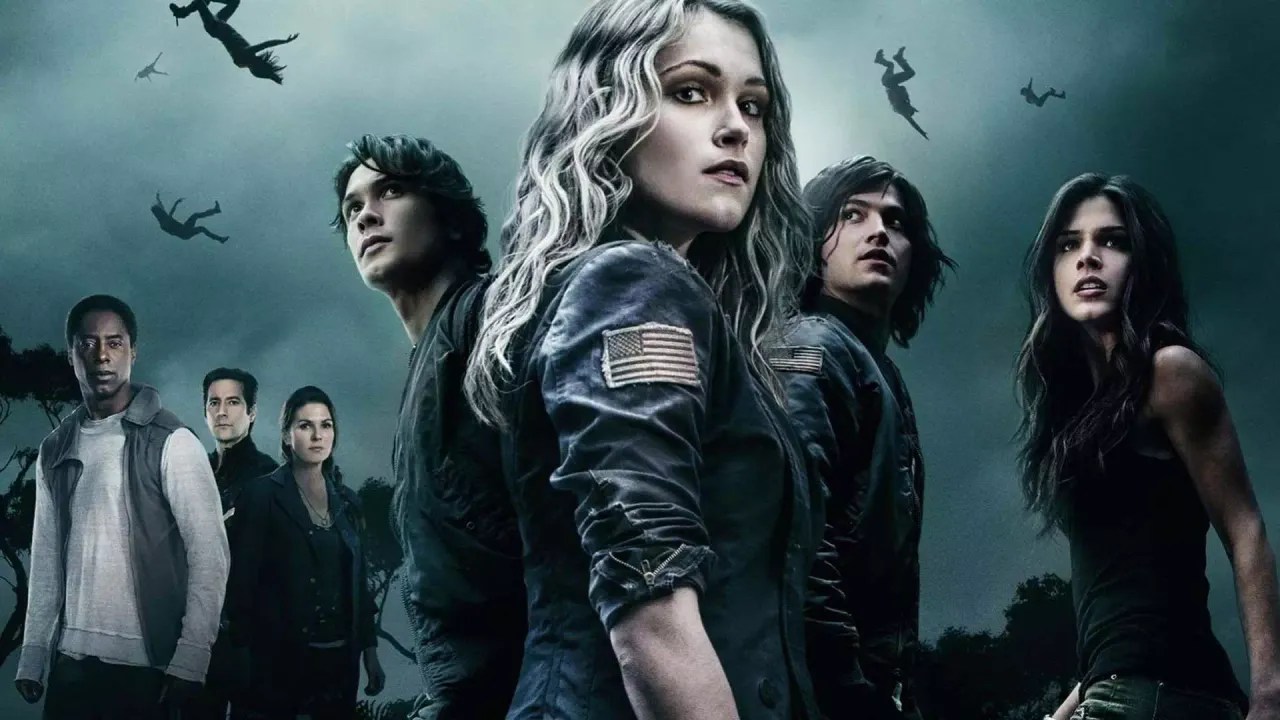
The 100 ran for seven seasons on The CW, which is about four seasons longer than most shows like it survive. There's a reason for that. The premise sounds generic: 97 years after nuclear war, survivors on a space station send 100 juvenile delinquents to Earth to see if it's habitable. But the show does something most CW dramas don't. It lets its characters make genuinely terrible decisions and then forces them to live with the consequences.
What surprised me was how brutal it gets. Characters you like die. Characters you hate become sympathetic. The moral lines blur until you're not sure who you're rooting for anymore.
The characters
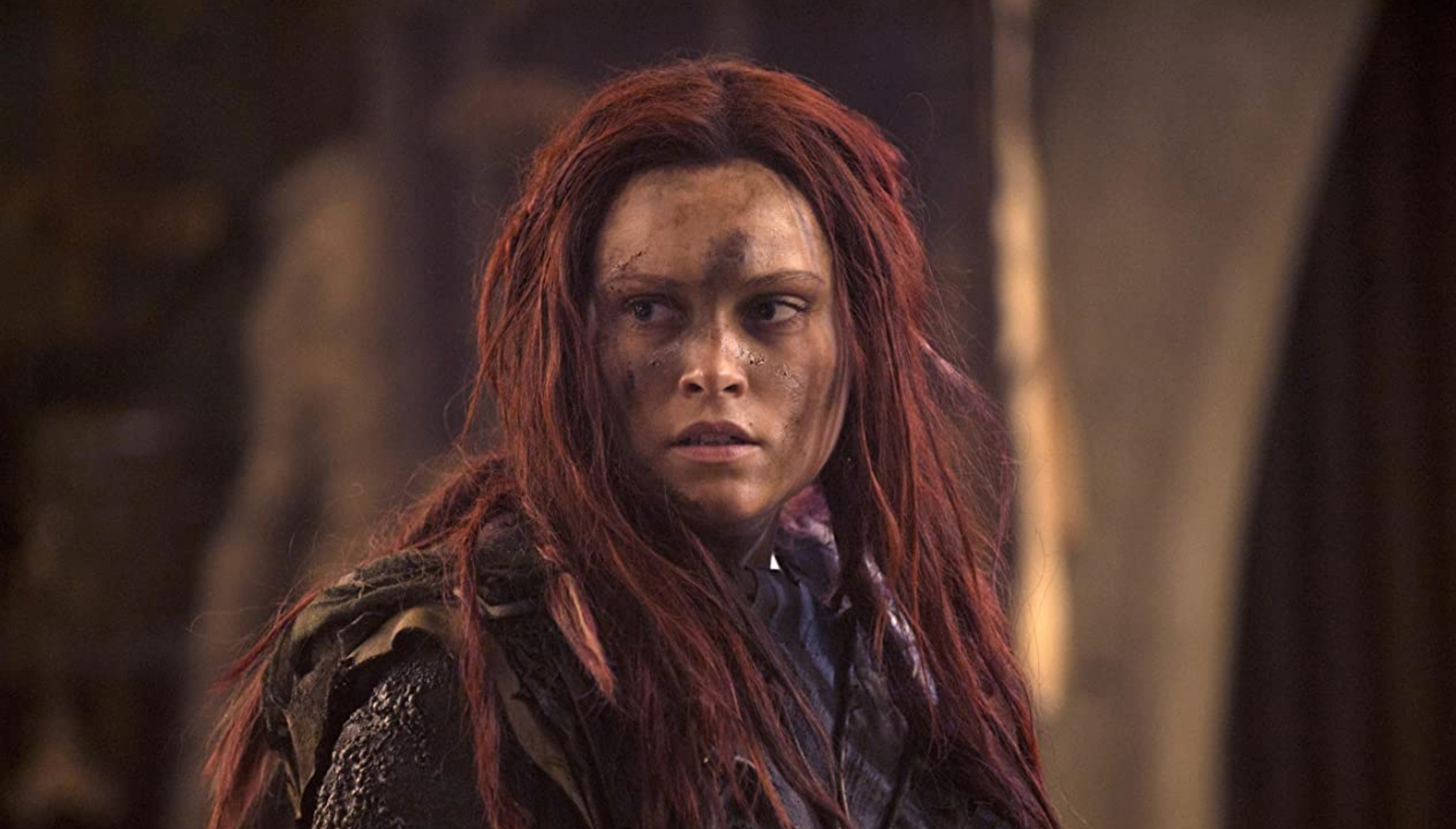
Clarke Griffin (Eliza Taylor) starts as the obvious protagonist: smart, moral, trying to do the right thing. By season three, she's committed acts that would make her the villain in any other show. The writing doesn't let her off the hook. She has to carry what she's done.
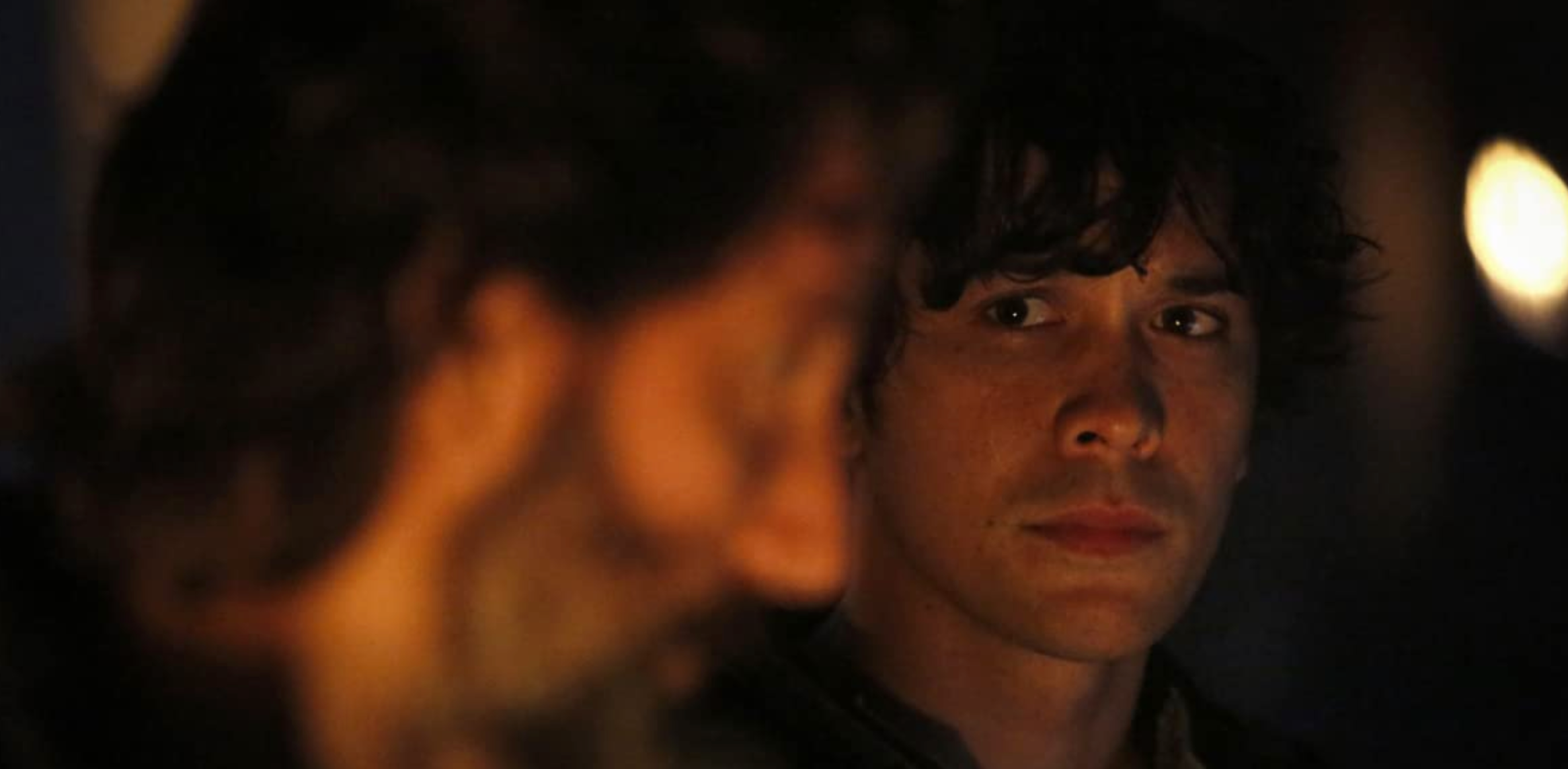
Bellamy Blake (Bob Morley) is her counterpart: impulsive where she's calculating, emotional where she's pragmatic. Their dynamic drives most of the show. He's protective of his sister Octavia to the point of self-destruction. The show's best moments often come from watching him wrestle with impossible choices.
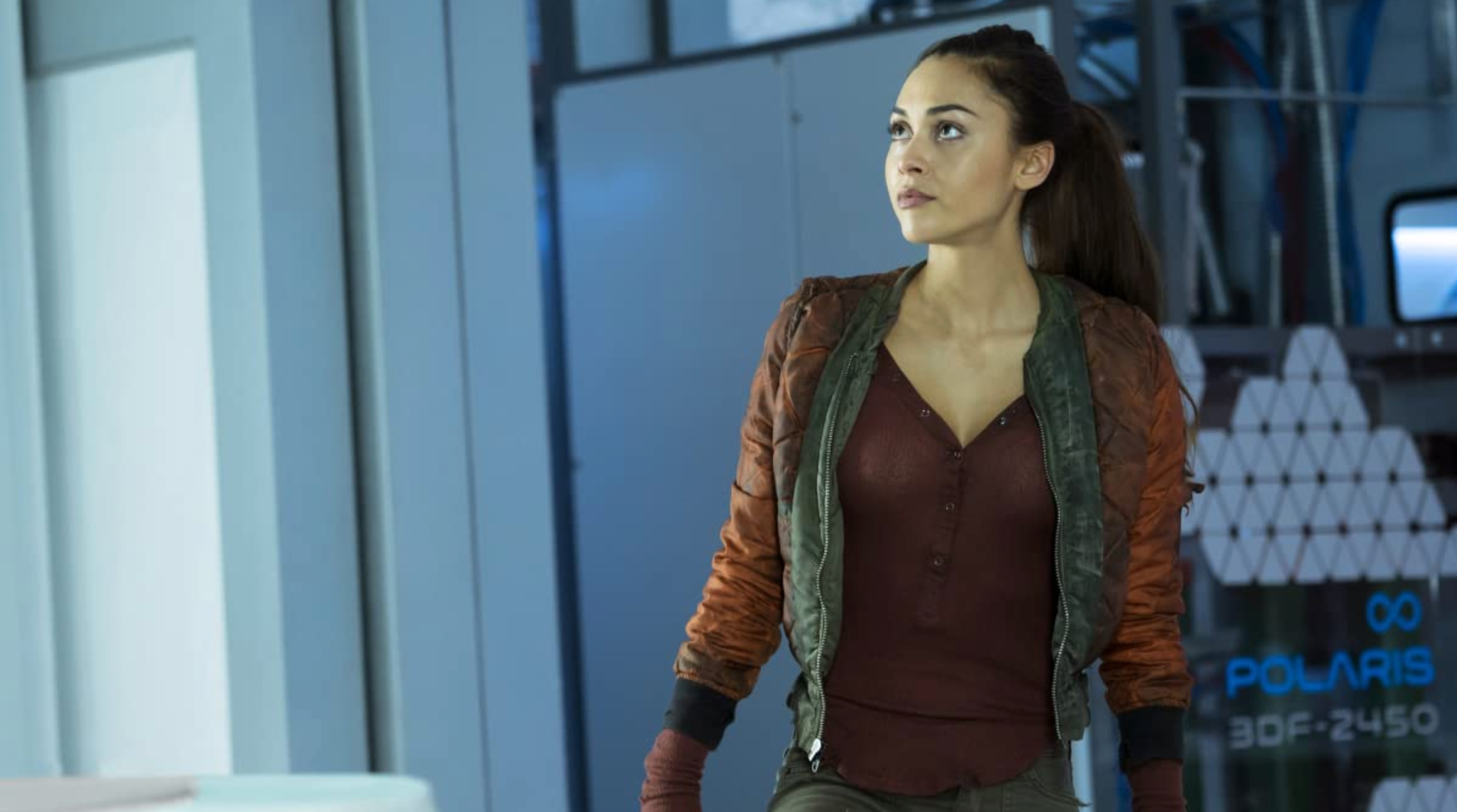
Raven Reyes (Lindsey Morgan) is the best character on the show, and I'll argue with anyone who disagrees. She's the mechanic who keeps everyone alive through sheer technical brilliance. She also suffers more physical trauma than any character I've seen on network TV and keeps going. There's a scene in season two where she has to perform surgery on herself. It's not played for shock value. It's just who she is.
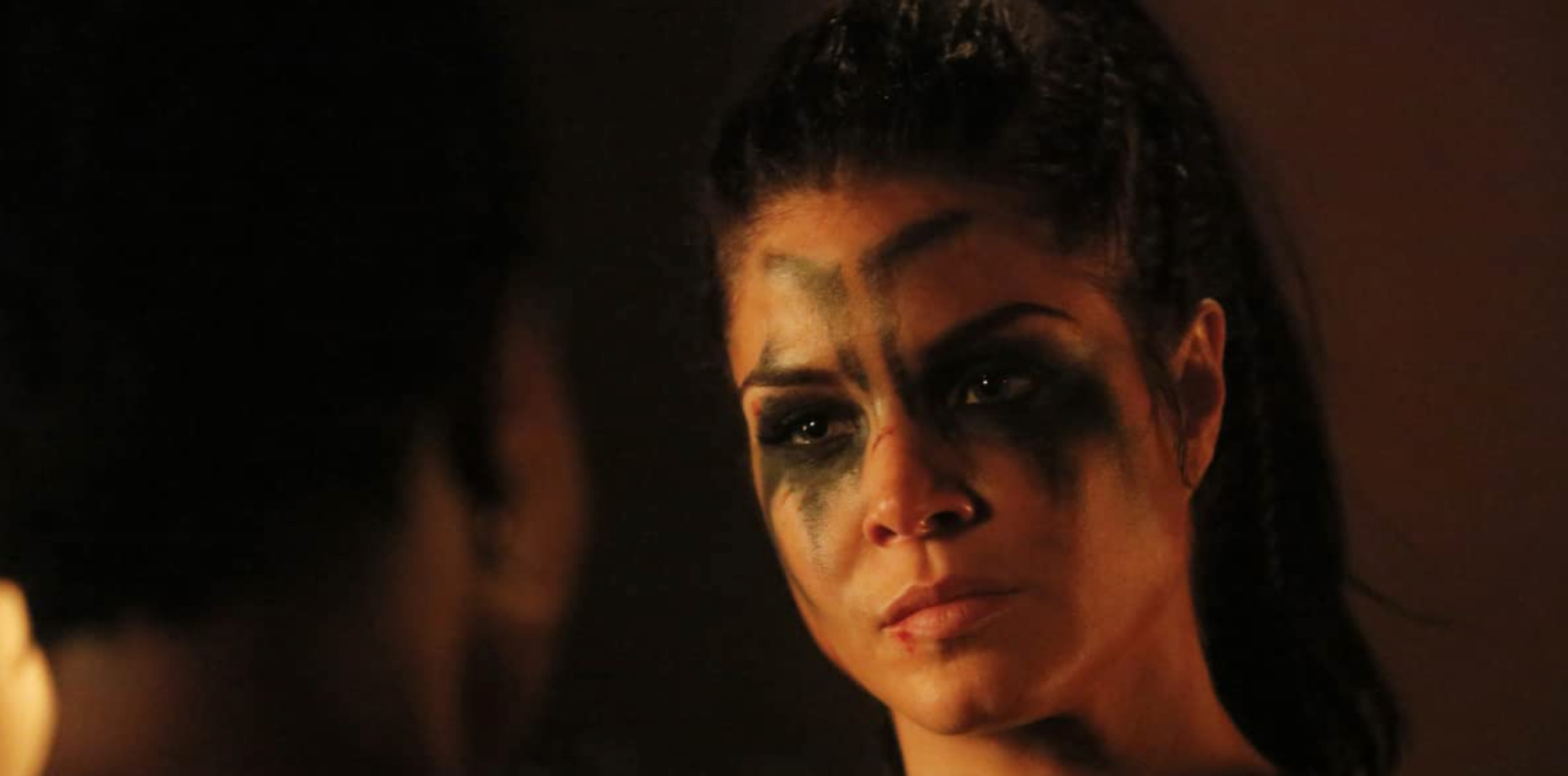
Octavia Blake (Marie Avgeropoulos) has the most dramatic character arc. She goes from sheltered girl who lived under the floor of her family's quarters to warrior to something darker. Her transformation is either the show's boldest storytelling choice or its most frustrating, depending on how much you buy into it.
What actually works
The show commits to consequences in a way most TV doesn't. When characters make hard calls, those decisions ripple forward. Alliances form and break based on past betrayals. Grudges last for seasons. It makes the world feel heavier than the CW budget suggests.
The moral philosophy gets genuinely interesting. Who deserves to survive when resources are scarce? Is it better to sacrifice a few to save many? The show doesn't pretend there are easy answers, and it doesn't always let the protagonists be right.
What doesn't work
The final season is a mess. The show had been building toward something for years and then swerved into territory that felt disconnected from everything that came before. A lot of fans hated the ending. I understand why, even if I think the journey was worth it.
Some of the CW-ness shows through. Love triangles appear when they shouldn't. Certain characters survive situations they absolutely shouldn't. The dialogue can get clunky when it's reaching for profundity.
But if you can get past the network TV roughness, there's a genuinely ambitious show underneath. It asks harder questions than most prestige dramas and doesn't flinch from ugly answers.

