

The positive values of not taking life too seriously
John Hughes' Ferris Bueller's Day Off is about skipping school, but it's also about play, humor, and not taking life too seriously. Nearly four decades later, the film still says something true about how life is meant to be lived.
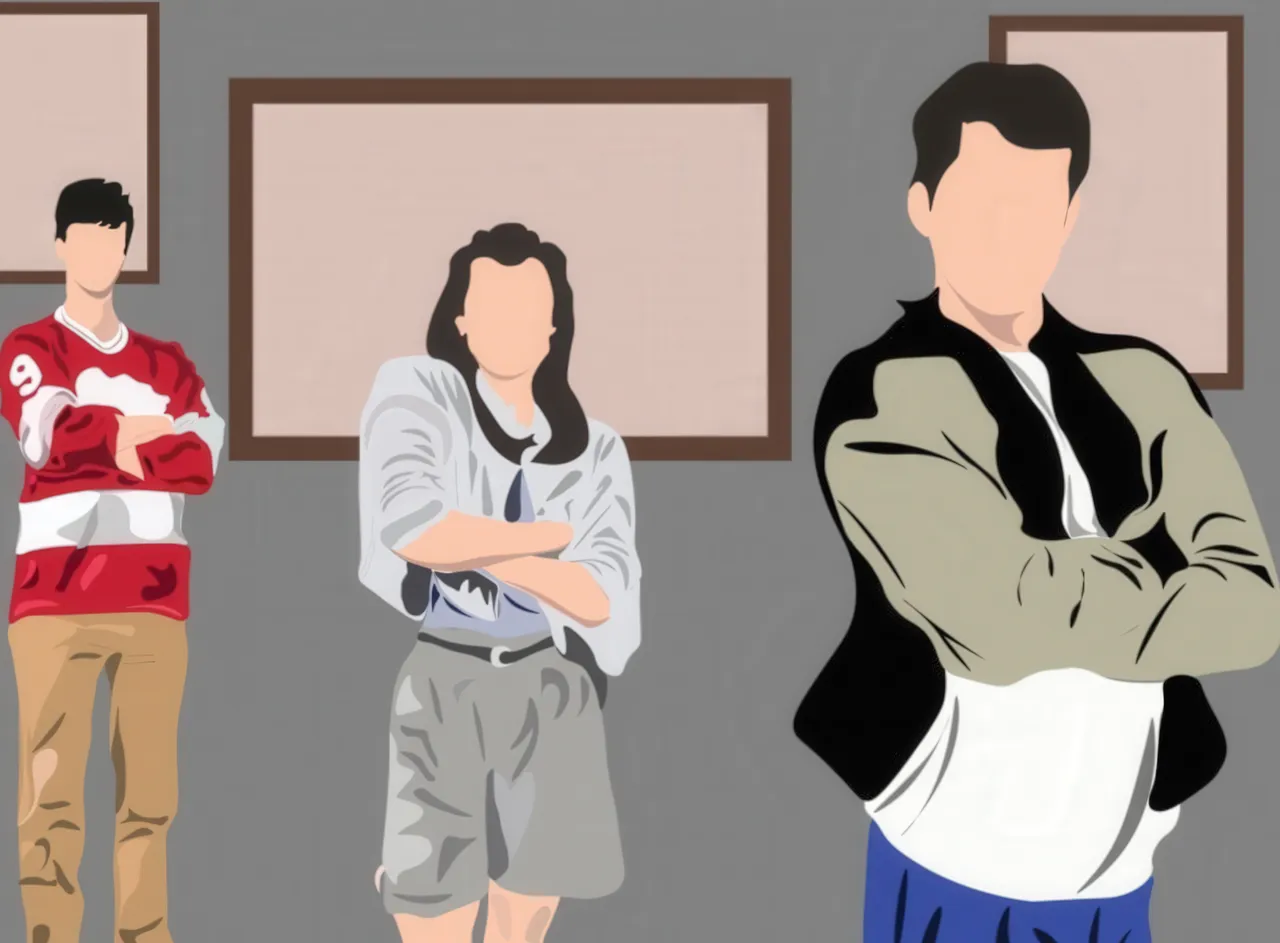
Ferris Bueller's Day Off (1986) entertains, inspires, and sticks with you. Written and directed by John Hughes, the film is about a high school senior skipping class, but it's also about seizing the moment and not taking life too seriously.
John Hughes: the vision behind Ferris Bueller
John Hughes made films that defined a generation. The Breakfast Club, Some Kind of Wonderful, Pretty in Pink. He understood teenagers. With Ferris Bueller's Day Off, he wanted to explore a character for whom life comes easy, someone who moves through the world with charm and wit, untouched by the usual struggles of growing up.
Hughes conceived the idea on February 25, 1985, and pitched it to Paramount the next day. He wrote the script in less than a week, focusing on character and episodic events rather than rigid plot structure. For Hughes, the film was a celebration of life, freedom, and Chicago.

A love letter to life and leisure
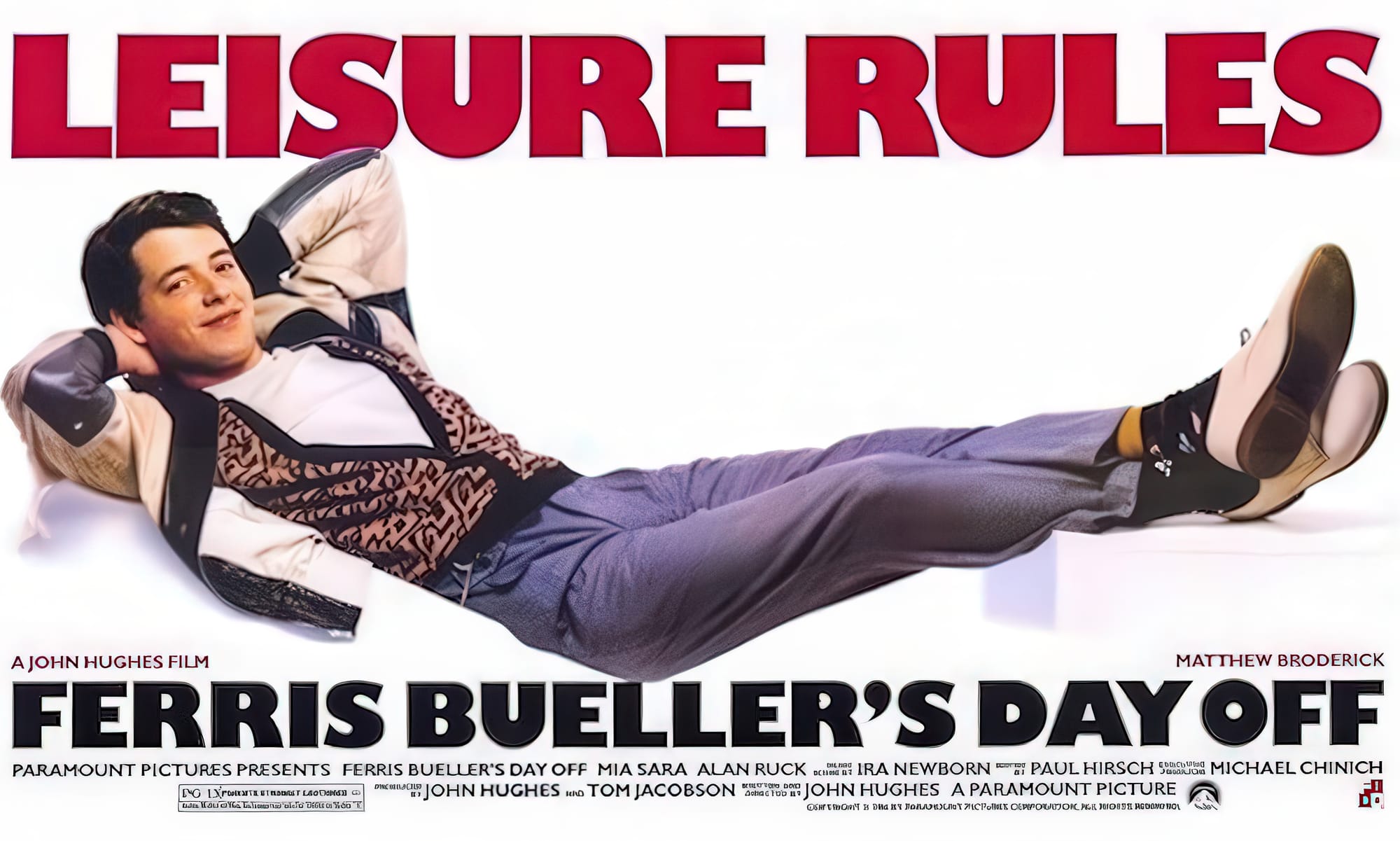
Ferris Bueller, played by Matthew Broderick, is an attitude, a way of life. He moves through the world with confidence, refusing to get bogged down by school or authority. As Hughes stated, Ferris was designed as a counterbalance to everyday struggles. His message isn't about irresponsibility; it's about enjoying life while you can.
The film's famous line, "Life moves pretty fast. If you don't stop and look around once in a while, you could miss it," is a philosophy. Ferris embodies it, reminding us that stepping away from obligations to experience joy can be just as valuable as fulfilling them.
A perfect cast for a timeless story
Hughes had a sharp eye for casting, often preferring fresh or unknown actors. He wrote Ferris Bueller's Day Off with Matthew Broderick in mind, seeing him as the right blend of mischief and likability. Anthony Michael Hall, John Cusack, and Jim Carrey were considered, but Broderick got the role. It's hard to imagine anyone else as Ferris.
Mia Sara as Sloane Peterson had a coolness beyond her 18 years. Alan Ruck's Cameron Frye was the perfect contrast to Ferris: neurotic, hesitant, desperately needing liberation from his own anxieties. Their chemistry made the Chicago adventure feel genuine.
Even the minor roles landed. The snooty maître d', the valet attendants joyriding Cameron's father's Ferrari, Charlie Sheen's brief appearance as a delinquent in the police station. Each added to the film's humor.
The day that changed everything
At its core, Ferris Bueller's Day Off argues that breaking routine is necessary for the soul. The trio's adventure through Chicago, from the Art Institute to a Cubs game, shows what spontaneity looks like.
The most iconic moment is the parade scene, where Ferris takes over a float and performs "Twist and Shout" by The Beatles. Pure joy. Sometimes dancing in the streets for no reason is exactly what life calls for.
Hughes saw the film as a love letter to Chicago, and it shows. The city isn't just a backdrop; it's a character. He captured the architecture, the landscape, the spirit of the place, from the art galleries to Wrigley Field to the skyline views. Watching the film makes you want to visit.
A deeper meaning: Cameron's liberation
Ferris drives the plot, but Cameron carries the emotional weight. Initially paralyzed by fear and controlled by his overbearing father, Cameron is everything Ferris isn't. He overthinks, dreads consequences, struggles with self-worth.
By the end, Cameron has changed. The moment he stands up to his father, symbolized by the destruction of the Ferrari, isn't just rebellion. It's breaking free from fear and reclaiming control of his life. Ferris' day off wasn't just about fun; it was about saving his friend from a lifetime of self-doubt.
The soundtrack: a perfect reflection of carefree living
Music sets the film's tone. Hughes curated an eclectic soundtrack: "Oh Yeah" by Yello, "Love Missile F1-11" by Sigue Sigue Sputnik, "Beat City" by The Flowerpot Men. Dream Academy's instrumental cover of "Please Please Please Let Me Get What I Want" gives the Art Institute scene a dreamlike quality. Each track fits.
The legacy of Ferris Bueller
Nearly four decades later, Ferris Bueller's Day Off remains one of the most beloved comedies ever made. It's funny, and Ferris is the kind of guy everyone secretly wants to be. But the film also says something true: life is meant to be lived, not just endured.
Hughes made a film about embracing the present. No matter how busy or stressful life gets, make time for joy. Things often work out, especially when you don't take life too seriously.


